
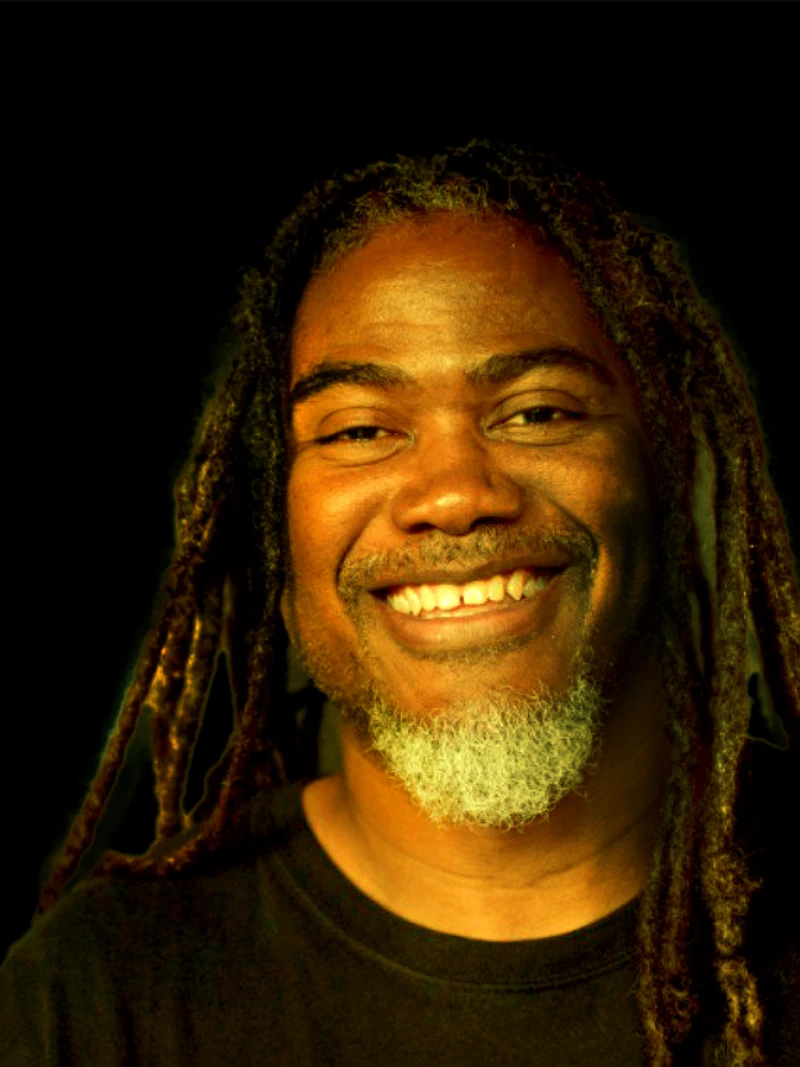
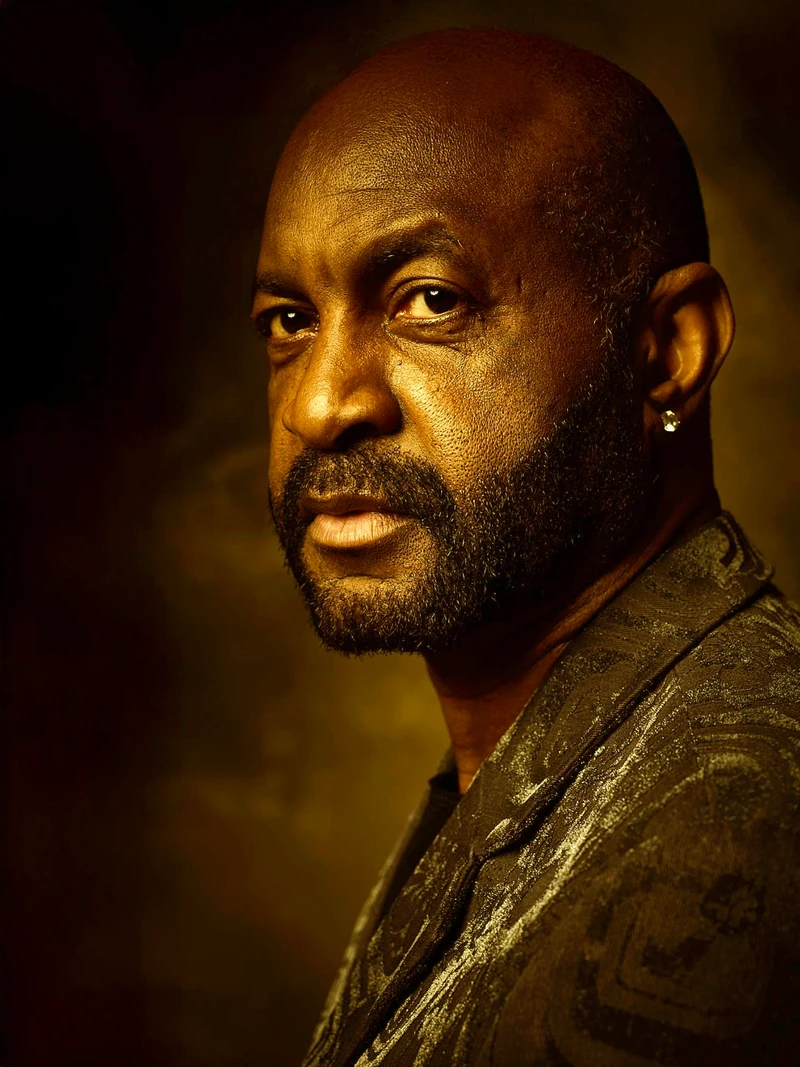






Before (slop)2.9/10
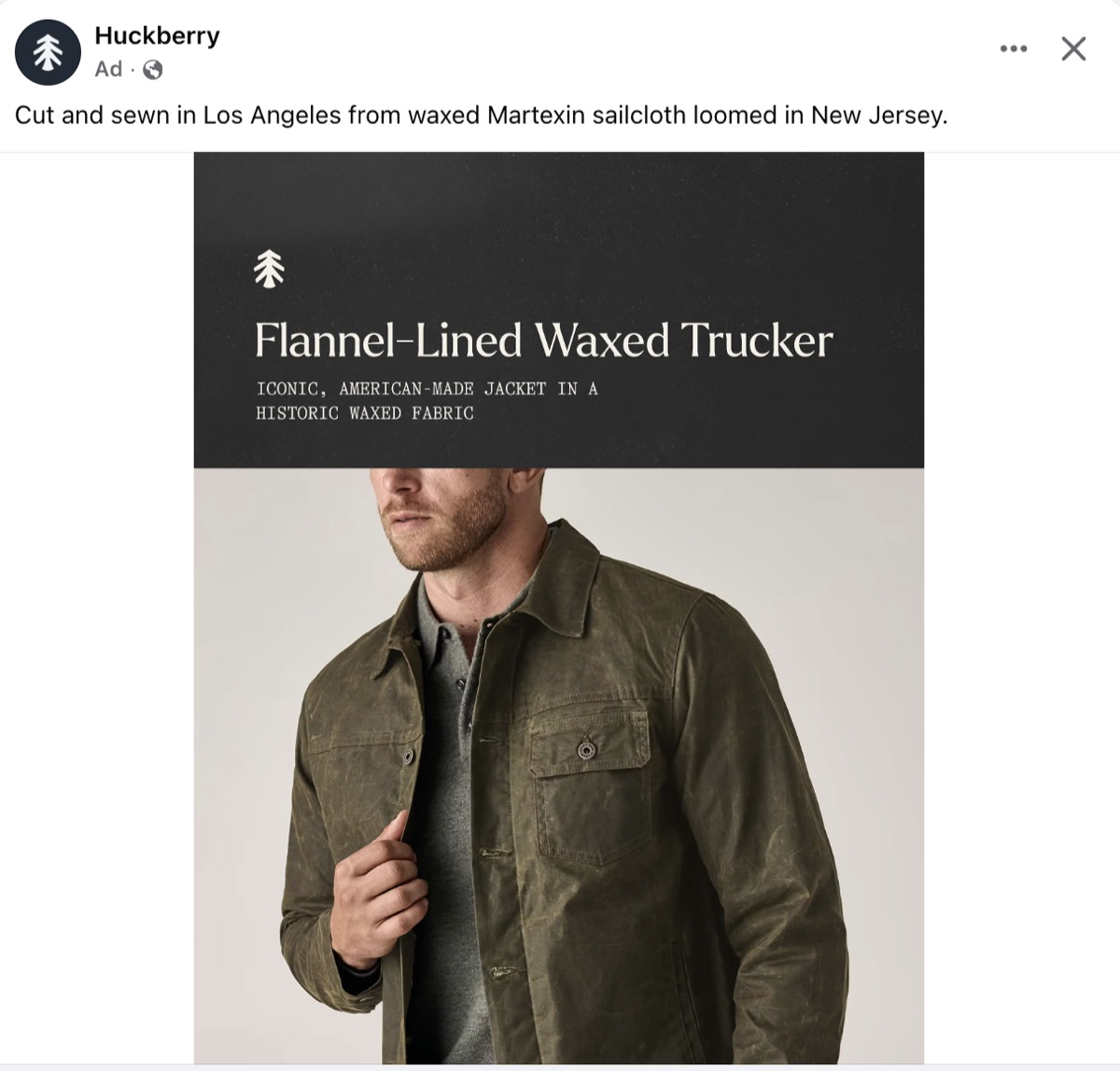
After (unslopped)Winner8.2/10

Huckberry walked in at 2.9. Walked out at 8.2.
Vince Cook · Ad LegendWe don’t care how sloppy your ad is. Give it to a Legend for a bad ad makeover and get back the one thing AI forgot: a big idea.
No one ever made a brand famous with ad slop.
AI learned from the average. These people spent their careers beating it. Advertising giants, licensed and in character: one of them takes your ad, rewrites it three ways, then judges all four, even their own. After all, they’re highly critical of their own work, too.
Huckberry walked in at 2.9. Walked out at 8.2.
Vince Cook · Ad Legend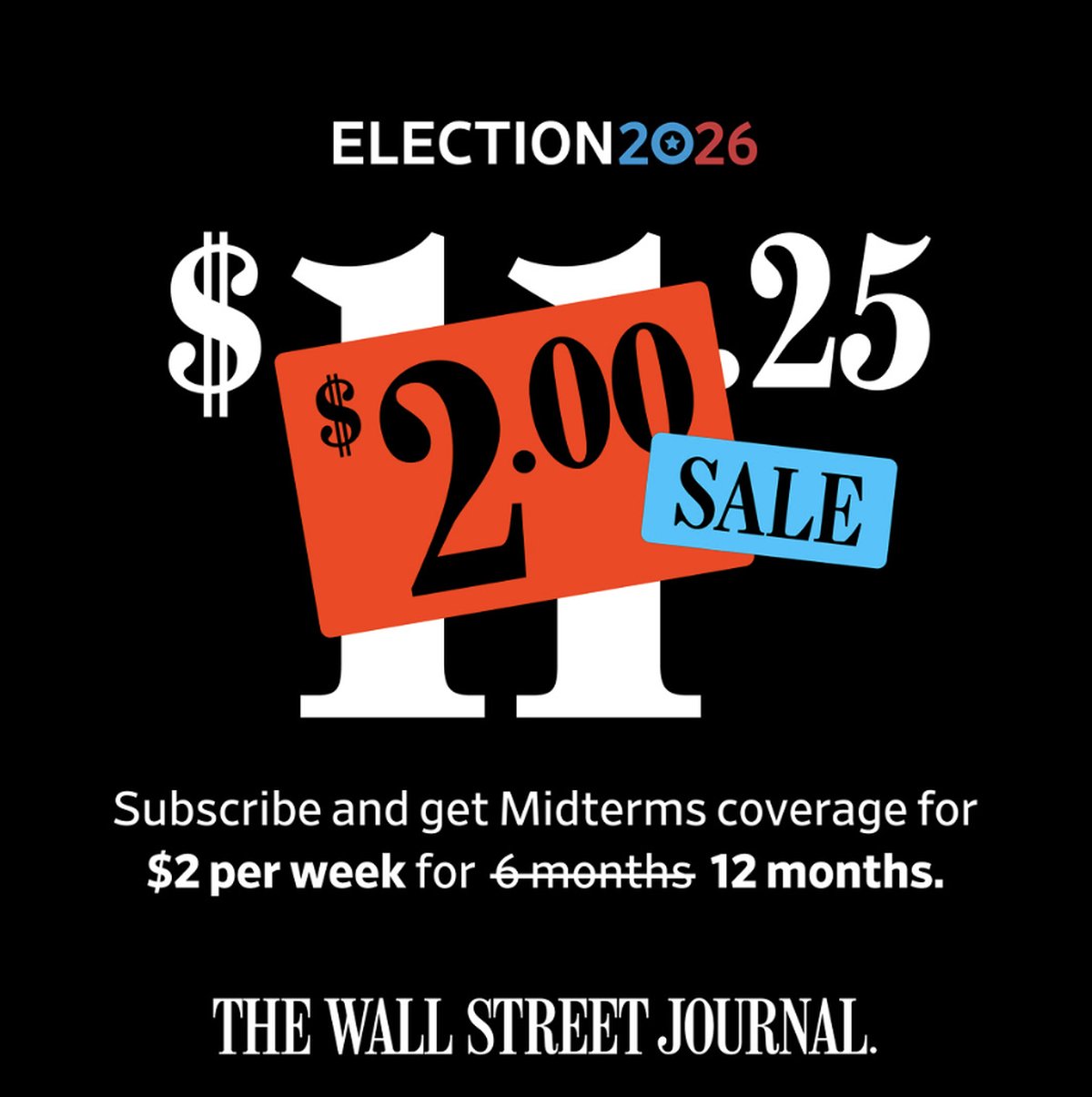
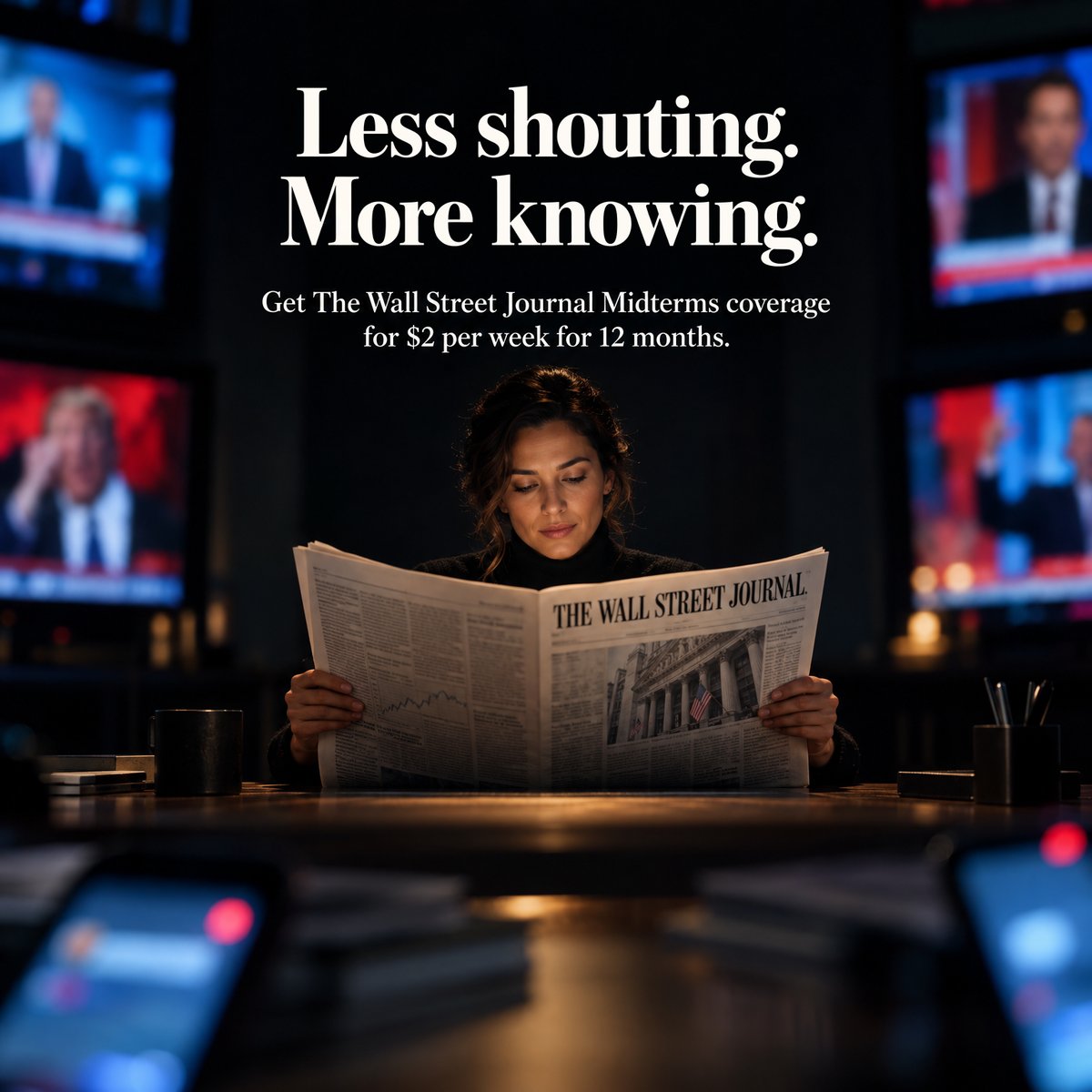

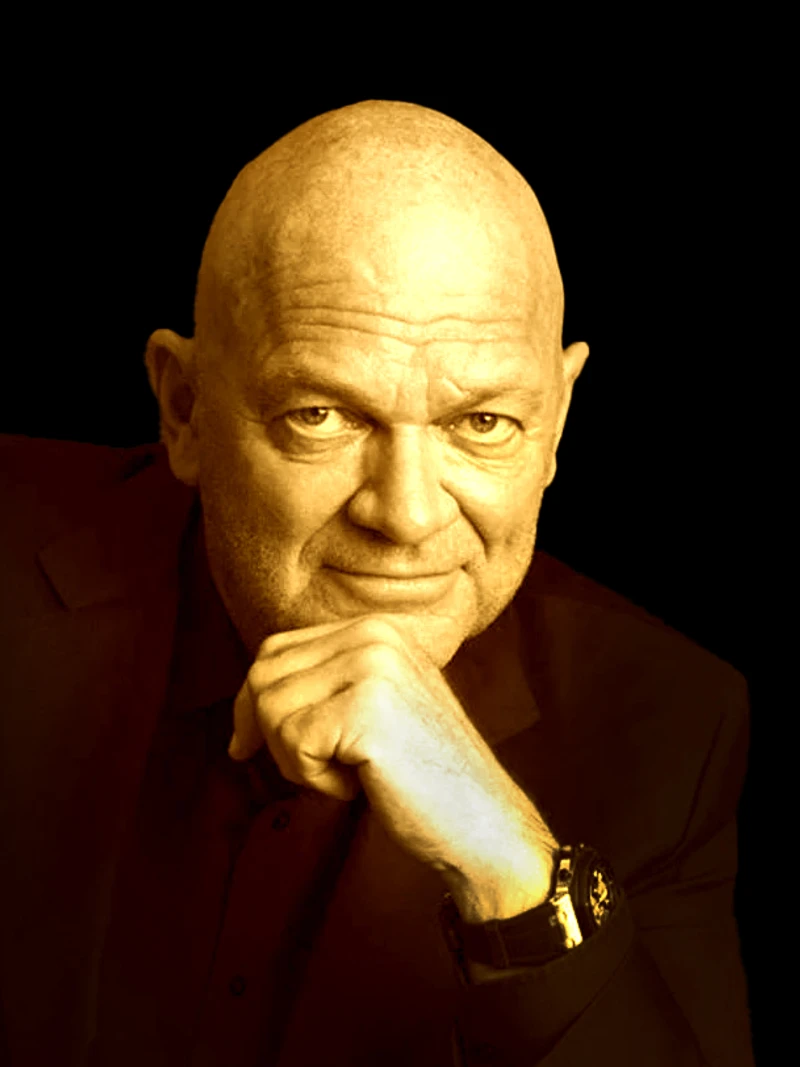
The Wall Street Journal walked in at 3.6. Walked out at 8.5.
Rick Boyko · Ad Legend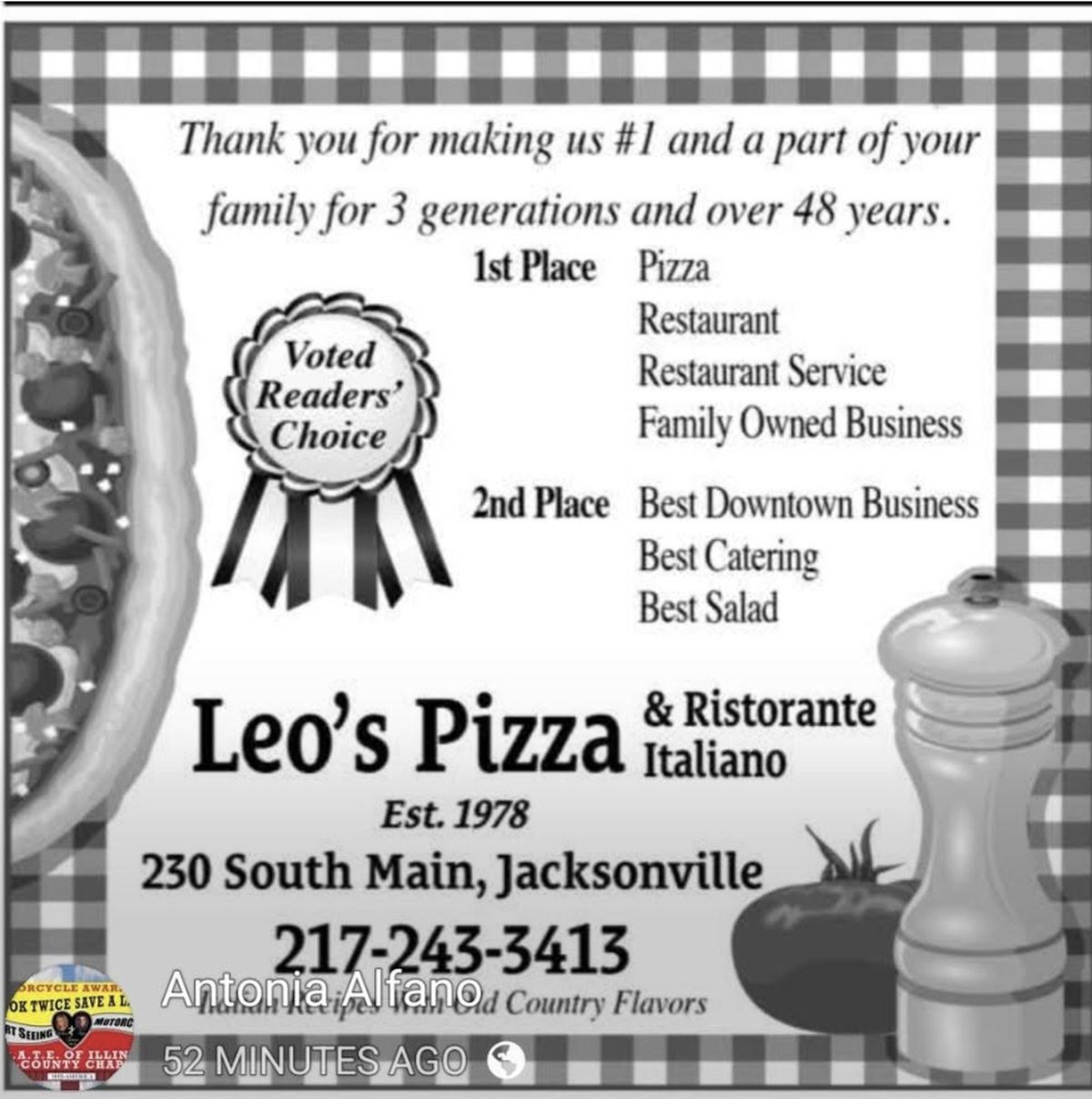
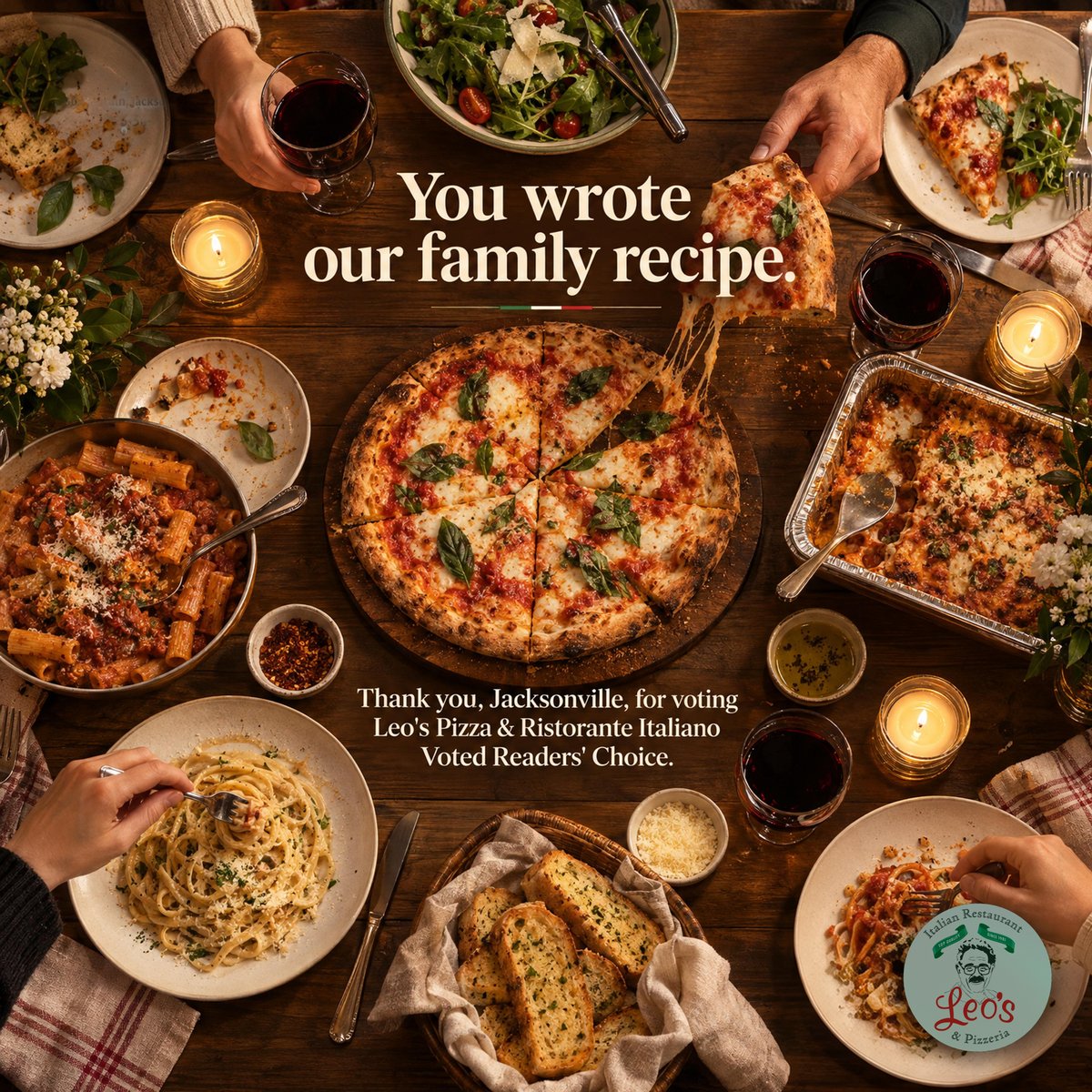

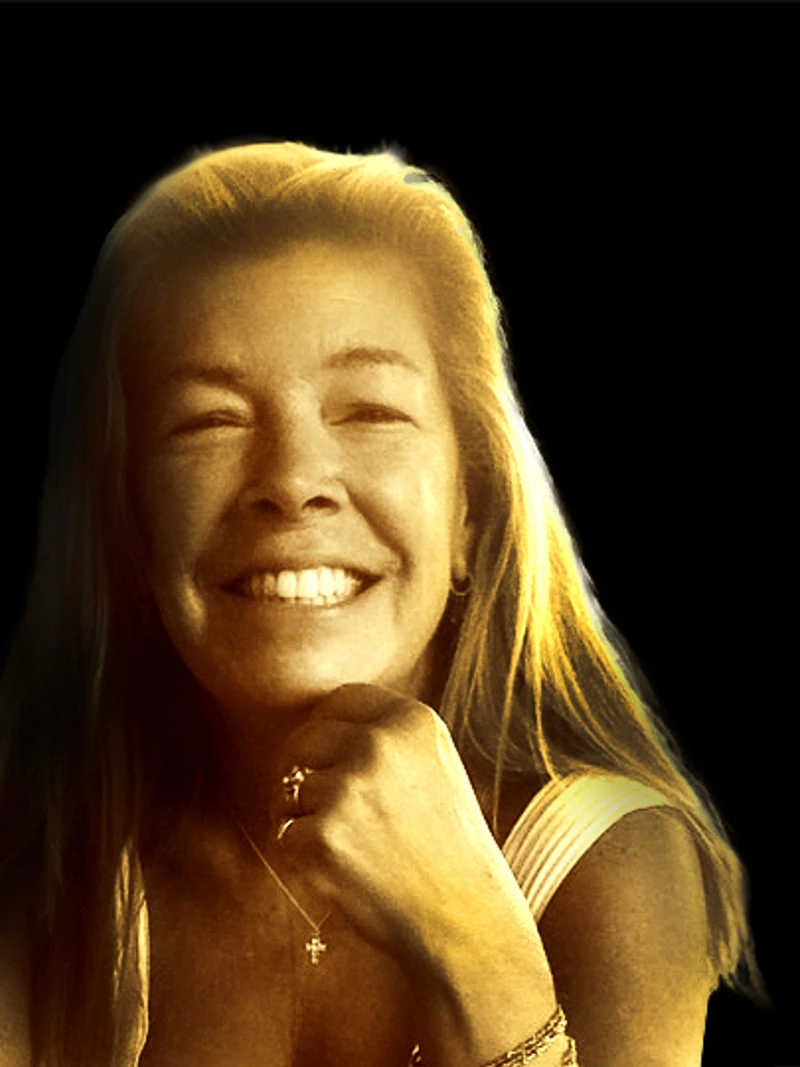
Leo’s Pizza walked in at 3.5. Walked out at 8.8.
Cheryl Berman · Ad Legend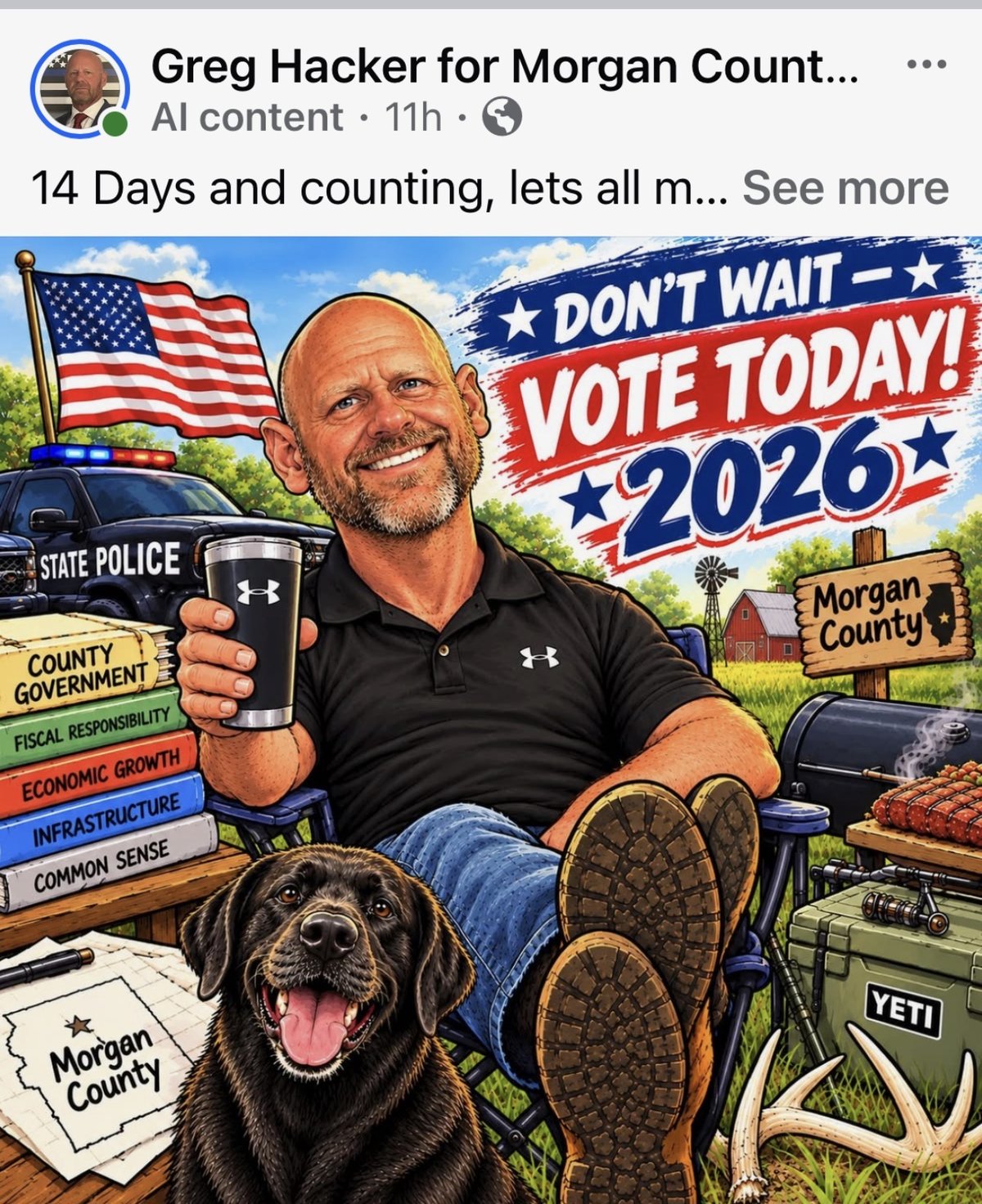
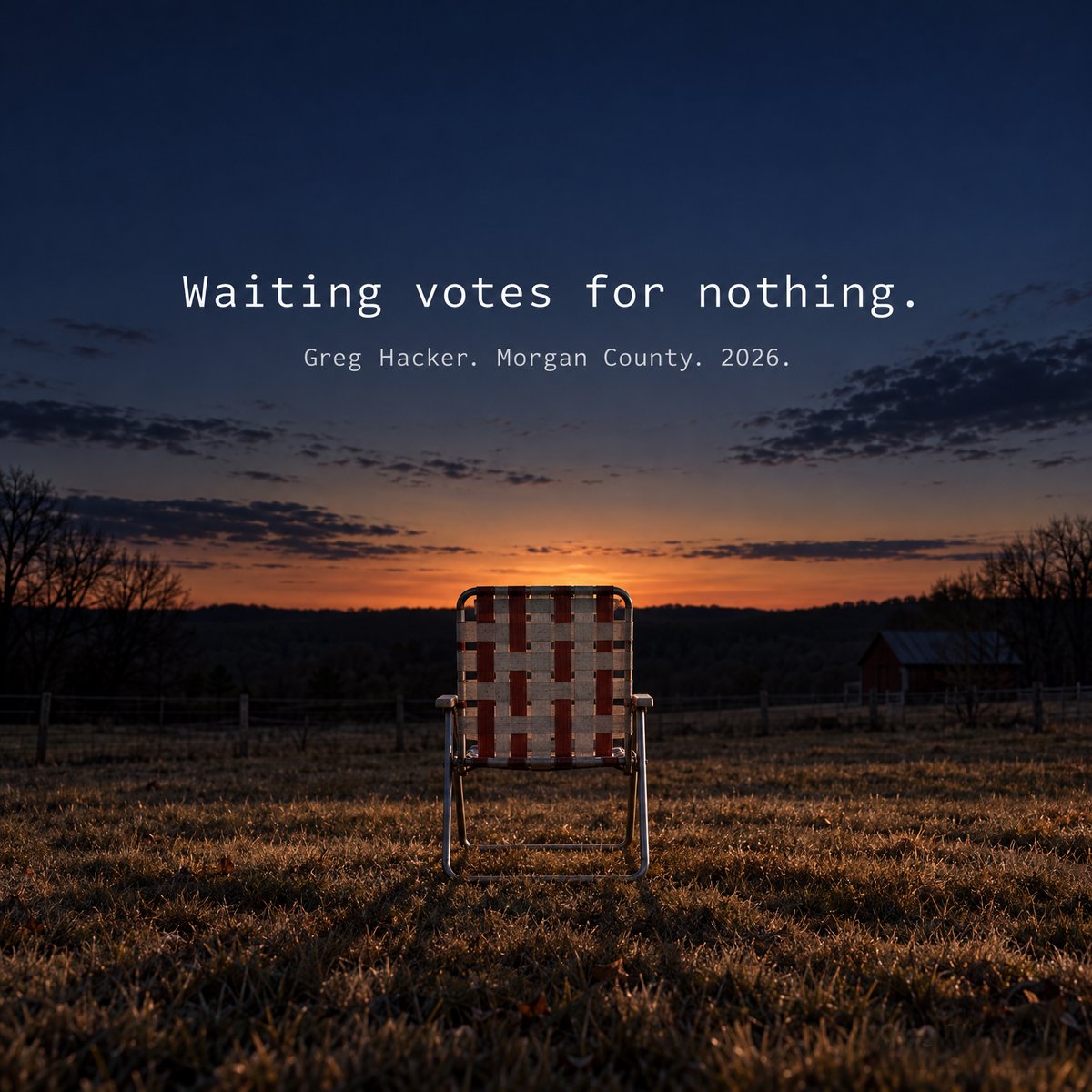

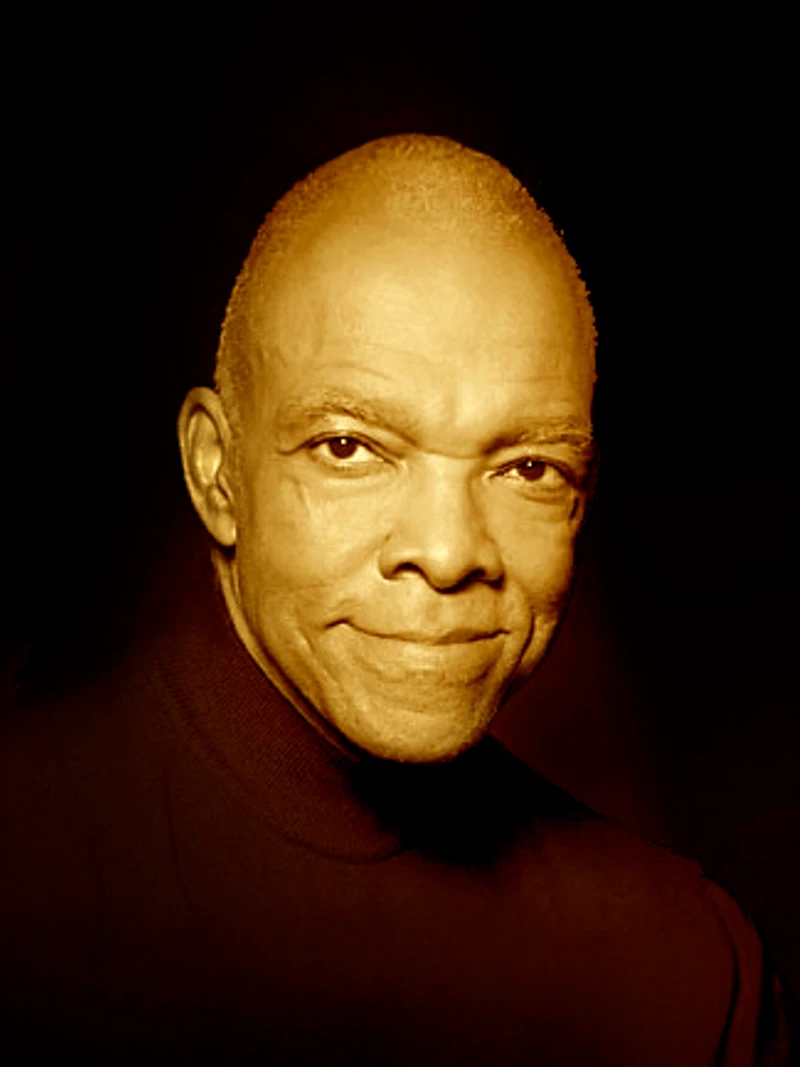
Greg Hacker for Morgan County walked in at 2.7. Walked out at 8.0.
Eugene Cheong · Ad Legend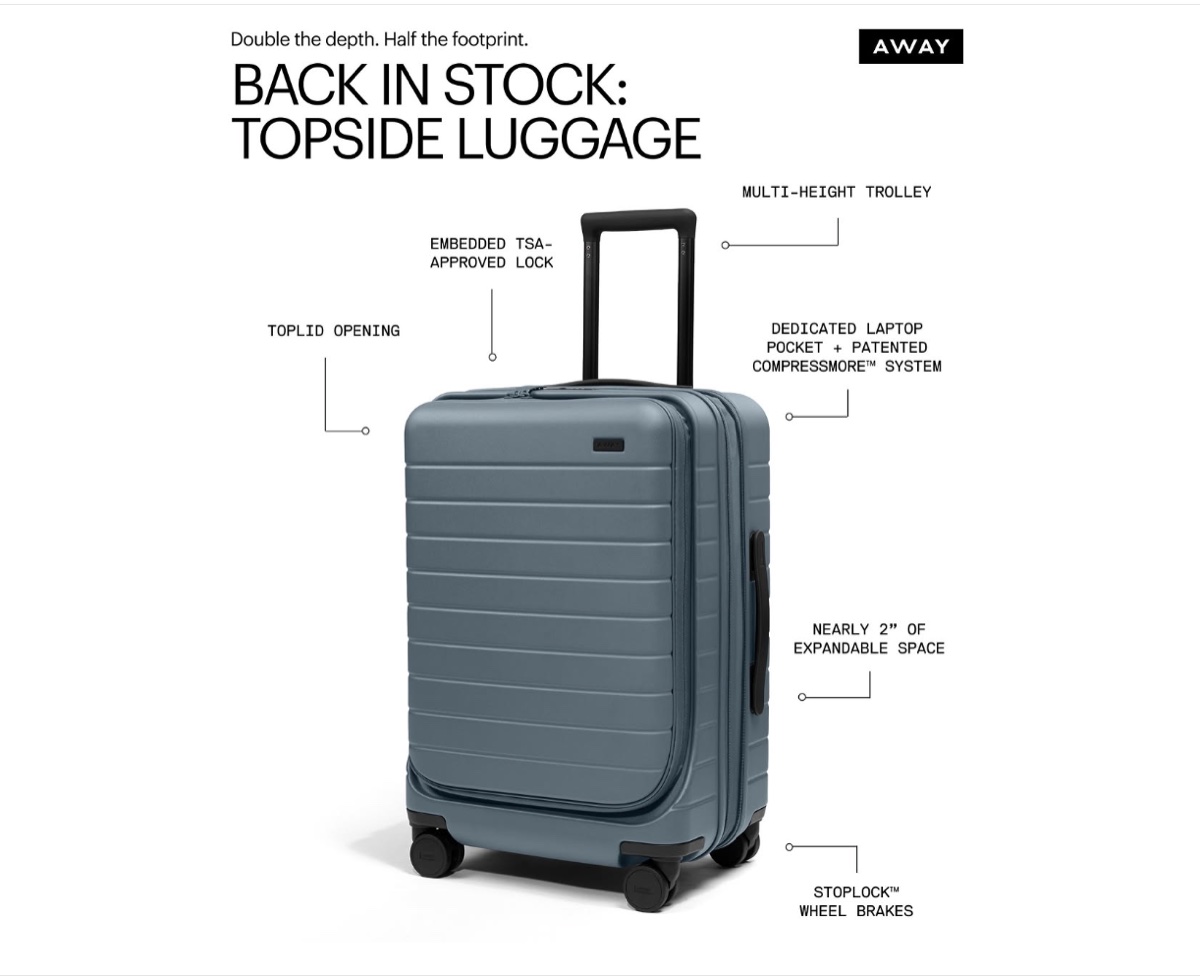
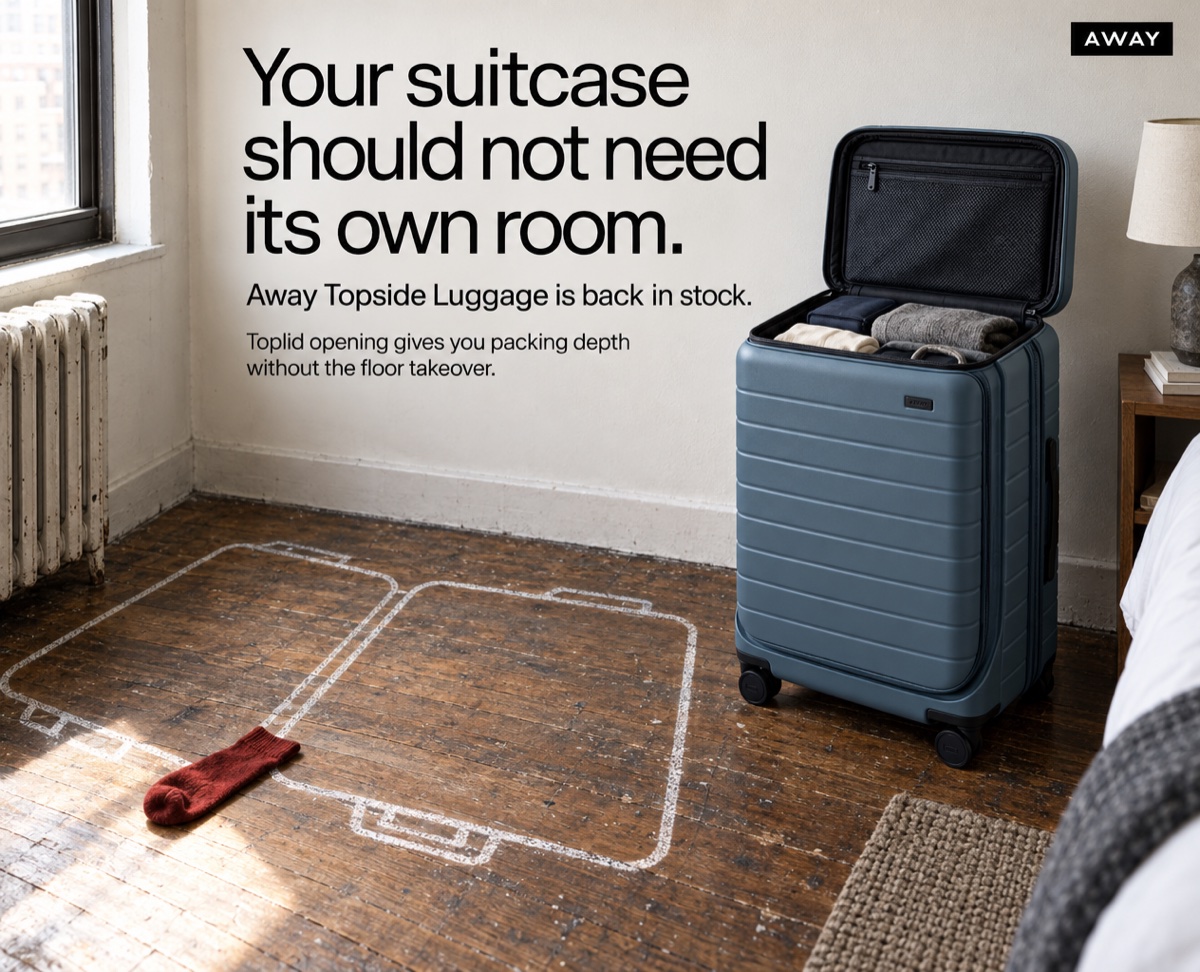

Away walked in at 3.2. Walked out at 7.7.
Ross Chowles · Ad LegendA tool that reads an ad for the habits AI falls into when nobody stops it: stock phrases, big claims with no proof, a button that fits every product on earth. This one is free, scores any ad from 0 to 100, shows which tells it found, and hands the ad to a Legend when you want the slop taken out.
The seventh tell, and the one that matters most: an ad with no idea in it. AI was trained on the average and taught to follow instructions. Nobody trained it on taste. So it tends to hand your brief back, tidied up. The meter counts the six tells code can see. Finding the idea your ad is missing takes creative instinct, and that is what the Legends are built on.
No. It never guesses who wrote your ad, and nothing can do that reliably on thirty words. It counts the tells. A person can write slop and AI can write a clean line, so the meter reads the ad, not the author.
The stock phrases AI reaches for. Empty superlatives with no proof attached. A button anyone could have written. Too many dashes, too many exclamation marks, too many words in capitals. Code counts them, 0 to 100, and the list it counts is the same list the Legend is told to avoid.
No. Slop is information for the writer. The verdict comes from the Legend, who reads your original and the three versions blind, labeled A to D, and scores each one twice. If nothing beats your original, the verdict says original holds.
Then it will read low on the meter, and good for you. Paste it anyway. The Legend still gets three swings at it, and if yours holds, we say so. Out loud. In writing.
5 Legend Credits a round. Every round comes back with the winning version as a finished ad: your first one is on us, then 1 credit an ad. Reading a finished round back is free.
Paste the slop. Headline, body, button. An image if you’ve got one. No brand setup, no brief, no kickoff meeting. The Legend unslops it. Three versions of yours: one sharpens your idea, one reframes it, and one is a big swing. The winning version comes back as a finished ad, recut from yours. Not a stock phrase in any of them. Blind. Twice. All four are shuffled and scored by the same Legend, who does not know which one is yours. Code names the winner and the margin. If the original holds, the verdict says so.
Yes. The winning version comes back as a finished ad, recut from the one you gave us, in the same shape, with your logo and your look. Paste the picture, not just the words, and it looks like yours. It is a quick recut, so a logo or a product can come out a little off. For your real logo placed exactly and every size, take the winner into Fast Ads.
Who takes it
The Legends pick who takes it, matched to your ad.